Dated photographs, original interviews, designer or manufacturer records, catalogs, product documents, legal filings and direct statements.
Governance
Editorial Standards Are Working Rules, Not Decoration
BAAM Boys publishes cultural history and practical style guidance. Accuracy, attribution, visual honesty and a clear separation between editorial judgment and commercial influence apply to every format.
Visual disclosure
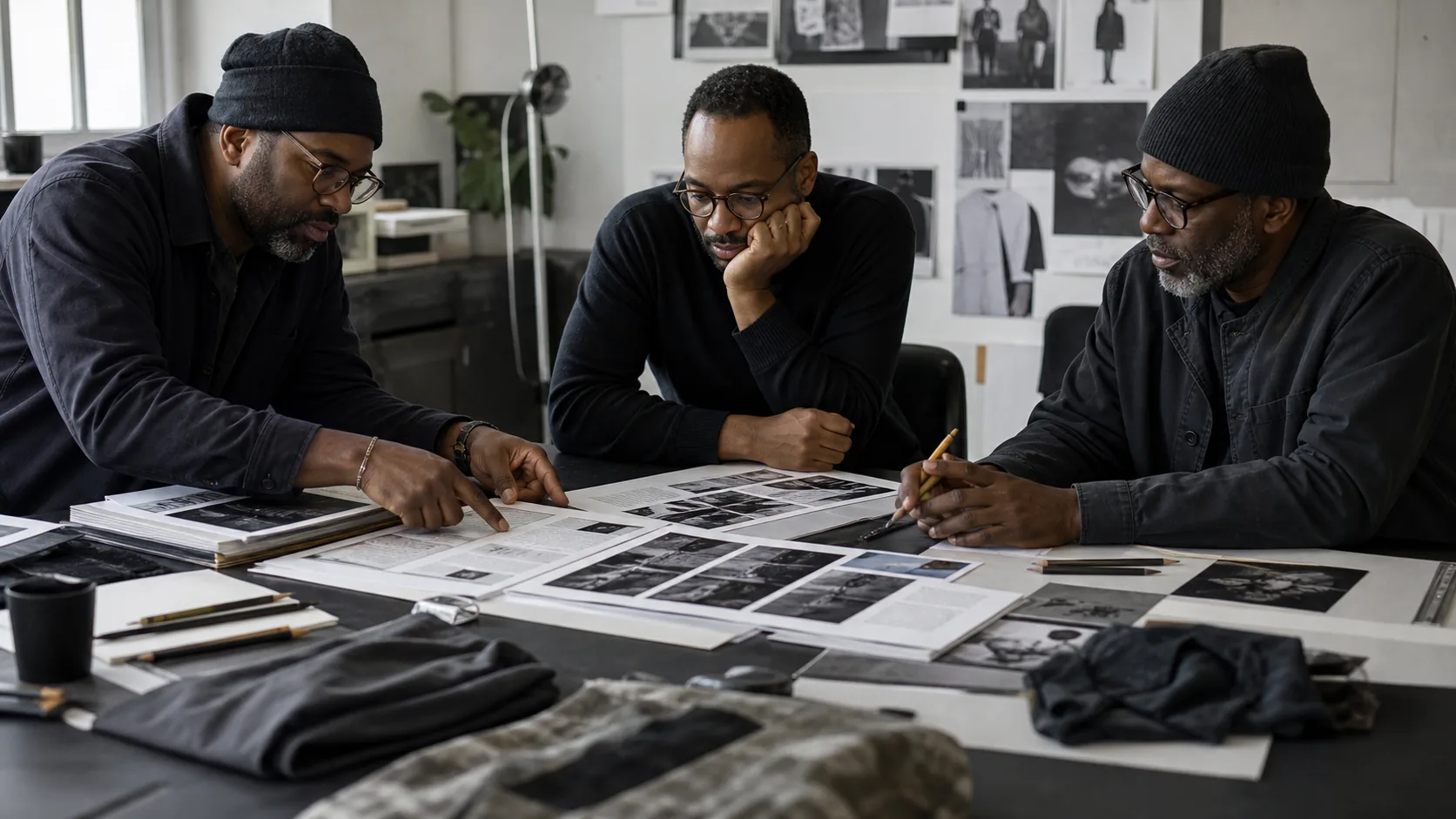
The images in this policy are original workflow illustrations. They do not depict named employees, actual confidential documents or documentary evidence for a historical claim.
01
Scope and editorial responsibility
This policy applies to articles, Hub pages, captions, illustrations, structured data, social previews and substantial updates published under the BAAM Boys name. BAAM Boys Editorial is responsible for current material using the shared byline. Named contributors, when introduced, remain responsible to the same rules.
Our principal subjects are Black fashion, hip-hop style, decade-specific menswear, sneakers, outfits, accessories and grooming. We do not treat cultural identity as a costume category. Editors should specify region, period and scene whenever a broad statement would erase meaningful difference.
The publisher determines business operations. Editorial judgment—what to cover, what evidence supports a claim and what conclusion the evidence permits—must not be sold to an advertiser or affiliate partner.
02
Source hierarchy and verification
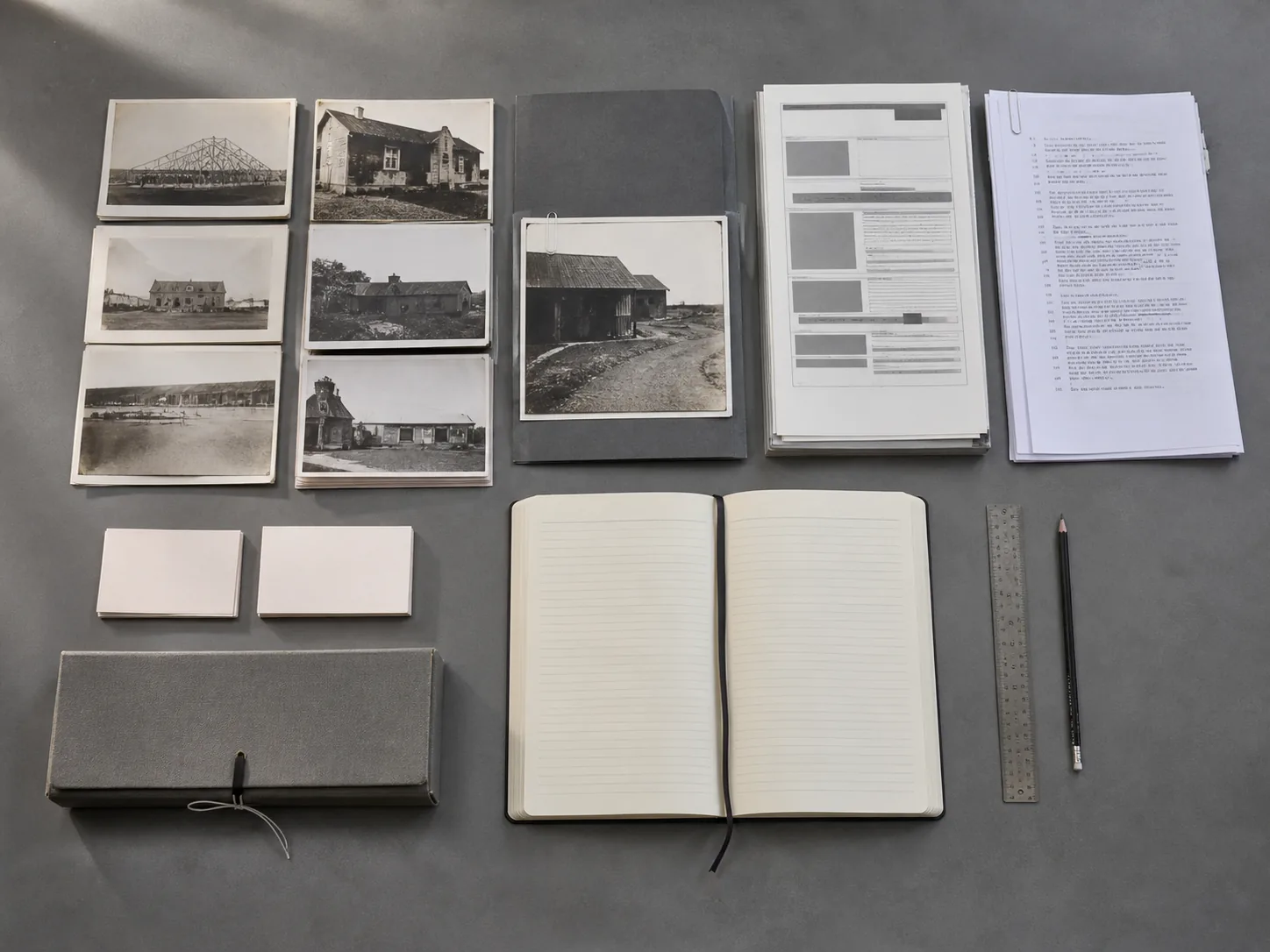
The source needed depends on the claim. A garment description visible in an image can be editorial observation. A release date, quotation, design credit or claim of cultural origin requires documentation. Editors should seek the closest reliable source and make uncertainty visible rather than smoothing it away.
Museum collections, libraries, university archives and established cultural institutions with clear cataloging or curatorial responsibility.
Books, established journalism and specialist publications that identify authors, evidence and editorial accountability.
Reseller listings, unsourced social posts, forums, anonymous summaries and repeated claims without an origin. These may point toward evidence but do not settle a disputed fact.
Two weak sources do not become one strong source merely because they agree. Editors must watch for circular citation, where several articles repeat wording that ultimately traces to no documented origin.
03
Facts, interpretation and cultural context
News-like facts—including dates, names, release information and direct quotations—should be verified before publication. Interpretive statements about styling must be presented as analysis, not universal truth. “The heavy shoe balances the wide hem” is a visual judgment; “this artist invented baggy jeans” is a historical claim requiring exceptional evidence.
Headlines, meta descriptions, image captions and Schema must agree with the visible article. Structured data cannot claim an author, review, product rating or FAQ that readers cannot find. Search optimization does not justify misleading language.
We distinguish performance imagery from everyday life. Music videos and stage photographs are intentionally styled. Family, street and workplace photographs provide different evidence. Editors should avoid making one exceptional outfit represent a full community or decade.
Quotations and paraphrase
Direct wording must be reproduced accurately, attributed and limited to what is needed. Paraphrase must preserve meaning and cannot be used to hide copying. Translation should identify the translator or method where nuance is material.
05
AI-assisted research, writing and illustration
Automation may assist with outlining, transcription, grammar, metadata drafts, accessibility checks or the organization of research. It does not become an accountable source. Every factual claim, quotation, attribution and recommendation remains subject to human editorial review.
Prohibited uses include fabricated quotations, invented sources, fake personal experience, undisclosed celebrity endorsements, imitation of a living artist's signature style and the creation of an archival-looking scene presented as evidence of a real event.
AI-assisted images may illustrate concepts when captions and surrounding context prevent documentary confusion. They should not replace real historical evidence when identity, authorship or a specific event is central. Visible people must not be represented as actual BAAM Boys staff unless they are.
Detection scores from third-party “AI checkers” are not an editorial quality standard. Original reporting, accountable revision, factual reliability and usefulness matter more than an unverifiable classifier result.
06
Image rights, captions and visual integrity
Images must be owned, licensed, public domain or used under a defensible permission or legal basis. “Found on Google” is not a license. Source, creator, rights status and any required credit should be recorded before publication.
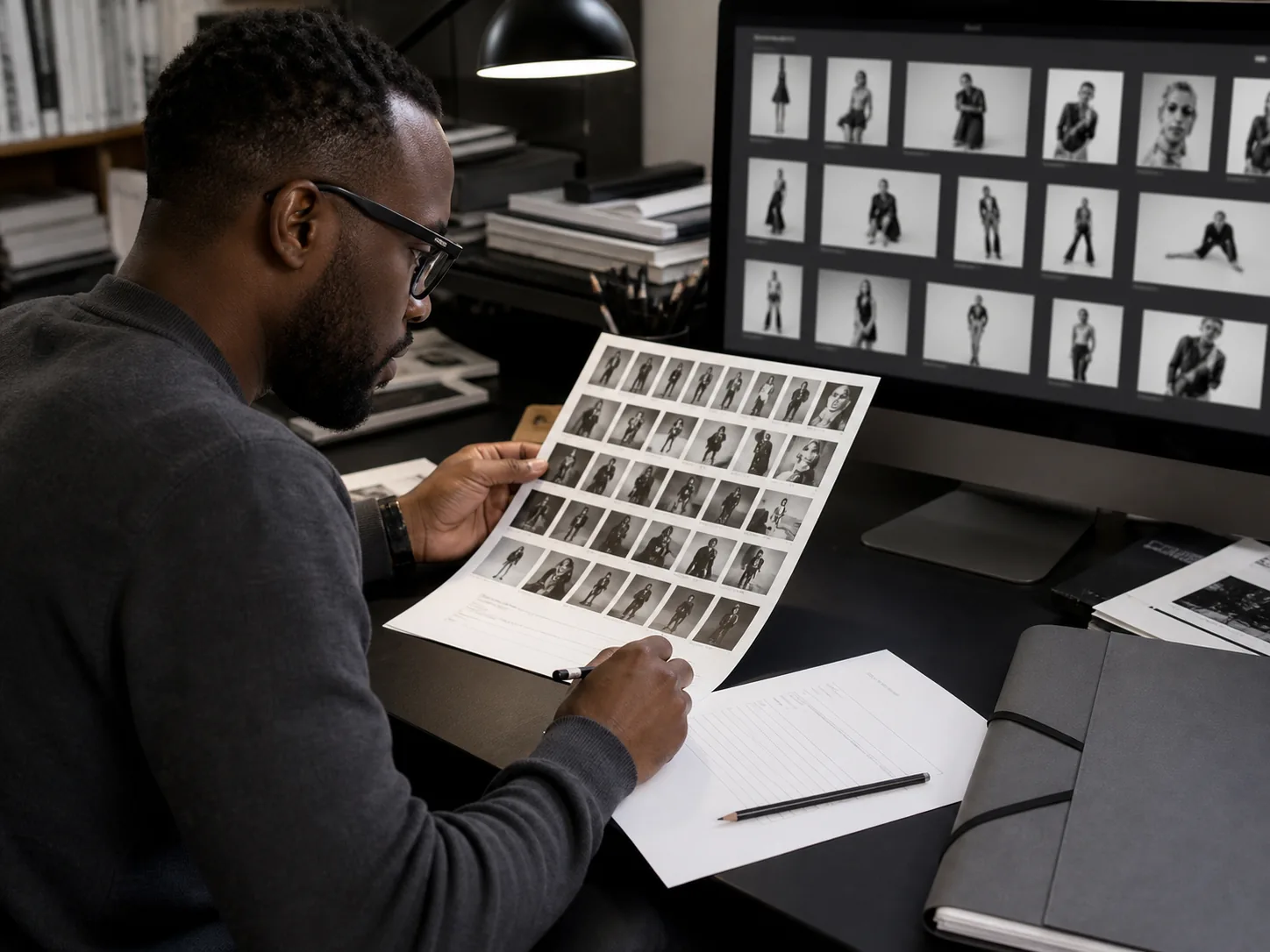
Captions identify what matters and separate illustration from documentary evidence. Alt text describes relevant visible content for accessibility; it should not repeat a keyword mechanically. Basic tonal correction and crop are acceptable when they do not misrepresent garment color, condition or context. Material alteration must be disclosed when it changes the reader's interpretation.
Rights complaints receive prompt review. A credible claimant should identify the image, URL, claimed ownership and requested resolution. Temporary removal may be appropriate while documentation is assessed.
07
Advertising, affiliates, gifts and sponsored work
Advertising placement must remain visually distinguishable from editorial content. Sponsored material must be labeled before a reader engages with it. Payment cannot purchase an unmarked article, a false endorsement or control over an independent conclusion.
Affiliate links may generate a commission without changing the reader's price. If introduced, a clear disclosure should appear near relevant content. Products should be included because they fit stated criteria, not merely because a commission is available.
Material gifts, travel or access supplied by a company must be disclosed when relevant. The editorial team may decline coverage, return a product or note that a product was supplied. Advertisers do not receive advance approval of independent articles about their market.
08
Updates, corrections and removals
Small spelling or formatting fixes may be made without a correction note. A material factual correction should be changed promptly and reflected in the visible modified date; where useful, a note should explain what changed. Updating practical advice or adding substantial reporting also warrants a new review date.
We do not remove accurate material solely because it becomes inconvenient. Removal may be appropriate for rights violations, serious privacy or safety concerns, legally necessary action, or content so unreliable that correction cannot repair it. Deindexing and redirection decisions should preserve reader clarity and the integrity of internal links.
Request a correction
- Email hello@baamboys.com.
- Include the exact URL and disputed wording.
- Explain the issue and attach or link supporting evidence.
- State your relationship to the subject where relevant.
09
Complaints, reply and review
We welcome specific, evidence-based criticism. Messages containing only a desired outcome may be difficult to assess; identify the factual, ethical, rights or privacy issue. We will review credible requests as capacity allows and may ask for documentation.
A request for reply does not guarantee publication, but subjects of significant criticism should receive a fair opportunity to provide relevant factual information. Harassment, threats and attempts to purchase or pressure a conclusion do not receive editorial accommodation.
Questions about these standards can use the Contact route. Background on the publication and its current shared authorship appears on About BAAM Boys. Privacy and data handling are governed separately by the Privacy Policy.
Policy questions
Editorial standards FAQ
Does BAAM Boys accept sponsored articles?
Sponsored work may be considered only when it is clearly labeled and does not masquerade as independent editorial judgment. Payment cannot purchase undisclosed coverage or a guaranteed favorable conclusion.
Can a brand review an article before publication?
A source may verify a narrow factual detail or quotation when appropriate, but advertisers and subjects do not receive general approval power over independent coverage.
How does BAAM Boys use AI?
AI may assist limited organizational, language, accessibility or illustrative tasks. It cannot serve as a factual source, fabricate experience or replace accountable editorial review. Illustrative AI-assisted visuals must not be presented as real historical evidence.
What happens after a correction request?
The editorial team reviews the cited wording, evidence and original source trail. If a material error is confirmed, the copy is corrected and the modified date or correction note is updated as appropriate.
How can a photographer report unauthorized image use?
Email the exact URL, identify the image, explain your relationship to the work and provide ownership or licensing documentation. Credible rights complaints are prioritized for review.