Specific over sweeping
Black fashion is not one wardrobe. We name decade, region, scene and garment detail instead of making a single performer represent millions of people.
About BAAM Boys
BAAM Boys is an independent editorial publication about Black fashion, hip-hop style, sneakers and men's cultural history. We make visual guides for readers who want more than a label under an outfit.
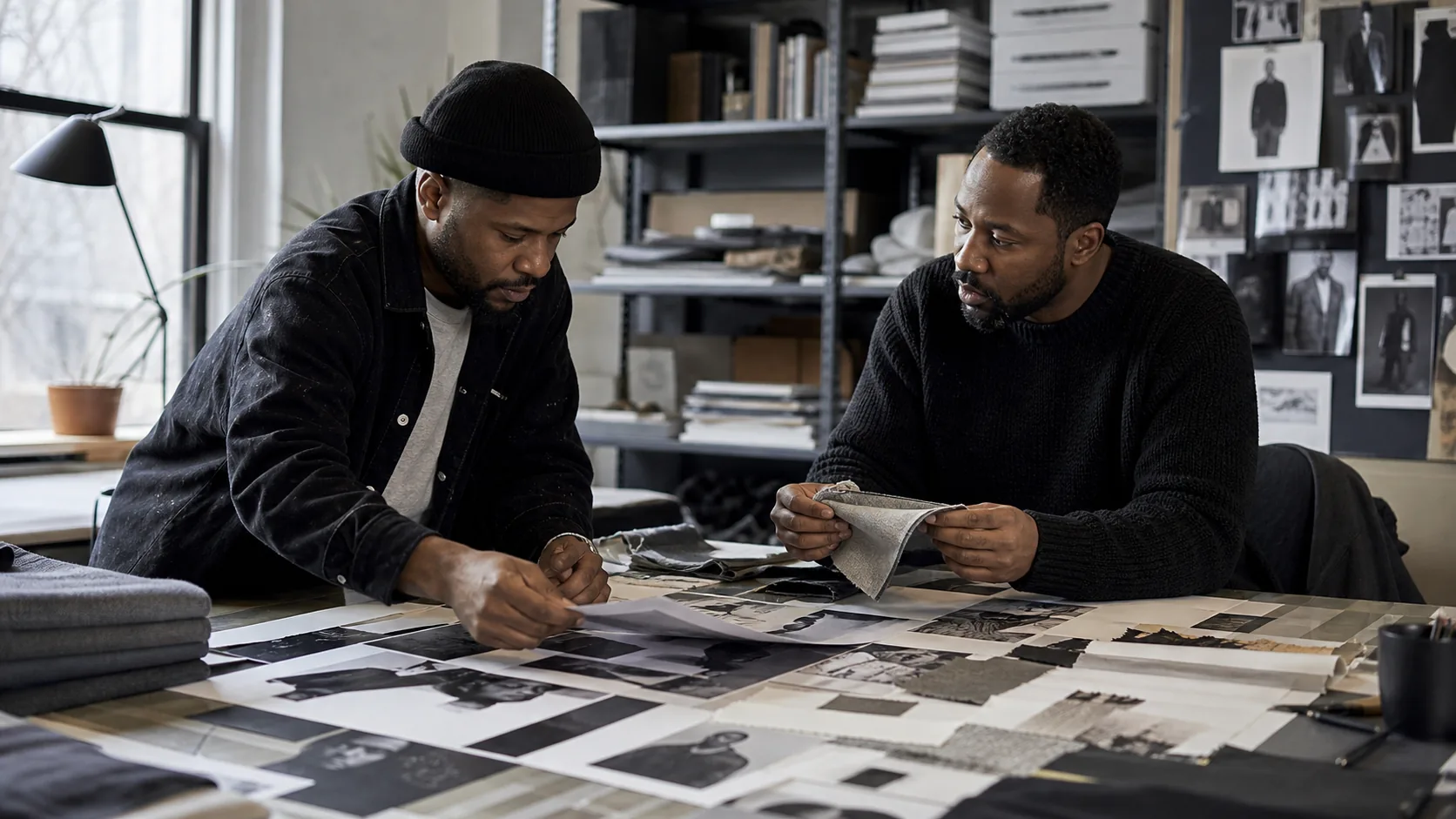
The photographs on this About page are original illustrative editorial scenes created for BAAM Boys. They demonstrate our research and publishing method; they do not depict named employees or claim to document our physical office.
Fashion coverage often separates the finished look from the people and conditions that produced it. A wide jean becomes a recurring trend. A work boot becomes an “icon.” A music-video outfit appears on a new mood board without its stylist, city or social setting. The surface survives; the history thins out.
BAAM Boys works in the opposite direction. We start with what a reader can see—shape, fabric, footwear, grooming—then reconnect those details to music, sport, work, geography and community. That approach helps a historically curious reader understand why an outfit mattered. It also helps someone getting dressed recognize which part of an old look can live naturally in a modern wardrobe.
Our scope is deliberately focused. The five editorial desks cover Black Fashion, 80s, 90s and Y2K style, Hip-Hop Style, Sneakers and practical Men's Style. A narrow subject allows related articles to support each other rather than scattering authority across unrelated industries.
The editorial promise
Black fashion is not one wardrobe. We name decade, region, scene and garment detail instead of making a single performer represent millions of people.
A claim repeated across websites is not automatically reliable. Dates, design authorship and cultural origin deserve documentation and cautious language.
Tables, descriptive captions and outfit formulas should answer real reader questions. Length alone is not a sign of quality.
Artists do not build famous images alone. Designers, stylists, photographers, barbers and communities belong in the record when evidence allows attribution.
Advertising, affiliate links and paid relationships must be identifiable. They cannot purchase a favorable editorial conclusion.
Substantial factual errors should be fixed promptly, with meaningful updates reflected in the article date rather than hidden.
How a guide is built
We identify whether the reader needs history, visual comparison, an outfit decision or buying guidance. One article should have a clear job.
Dates, designers, release information and quotations require stronger sourcing than interpretive comments about silhouette or styling.
Period photographs, reputable archives, primary interviews, product records and established reporting can reveal agreement—and important contradictions.
A performance look is designed for camera, light and narrative. Everyday photographs provide a different kind of evidence; neither should silently replace the other.
We ask whether the history remains attached and whether a reader can understand the practical conclusion without scrolling through filler.
Visual policy
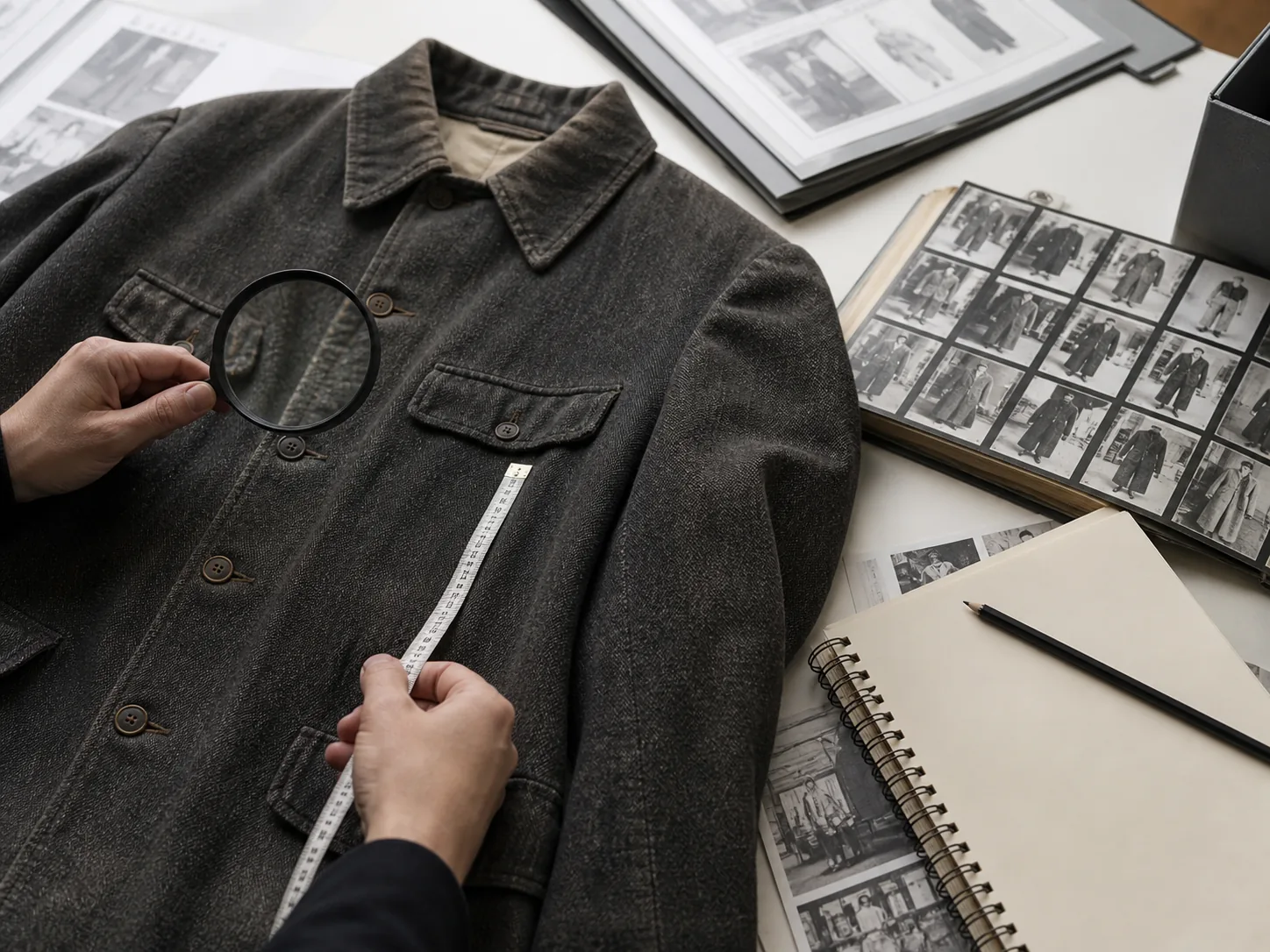
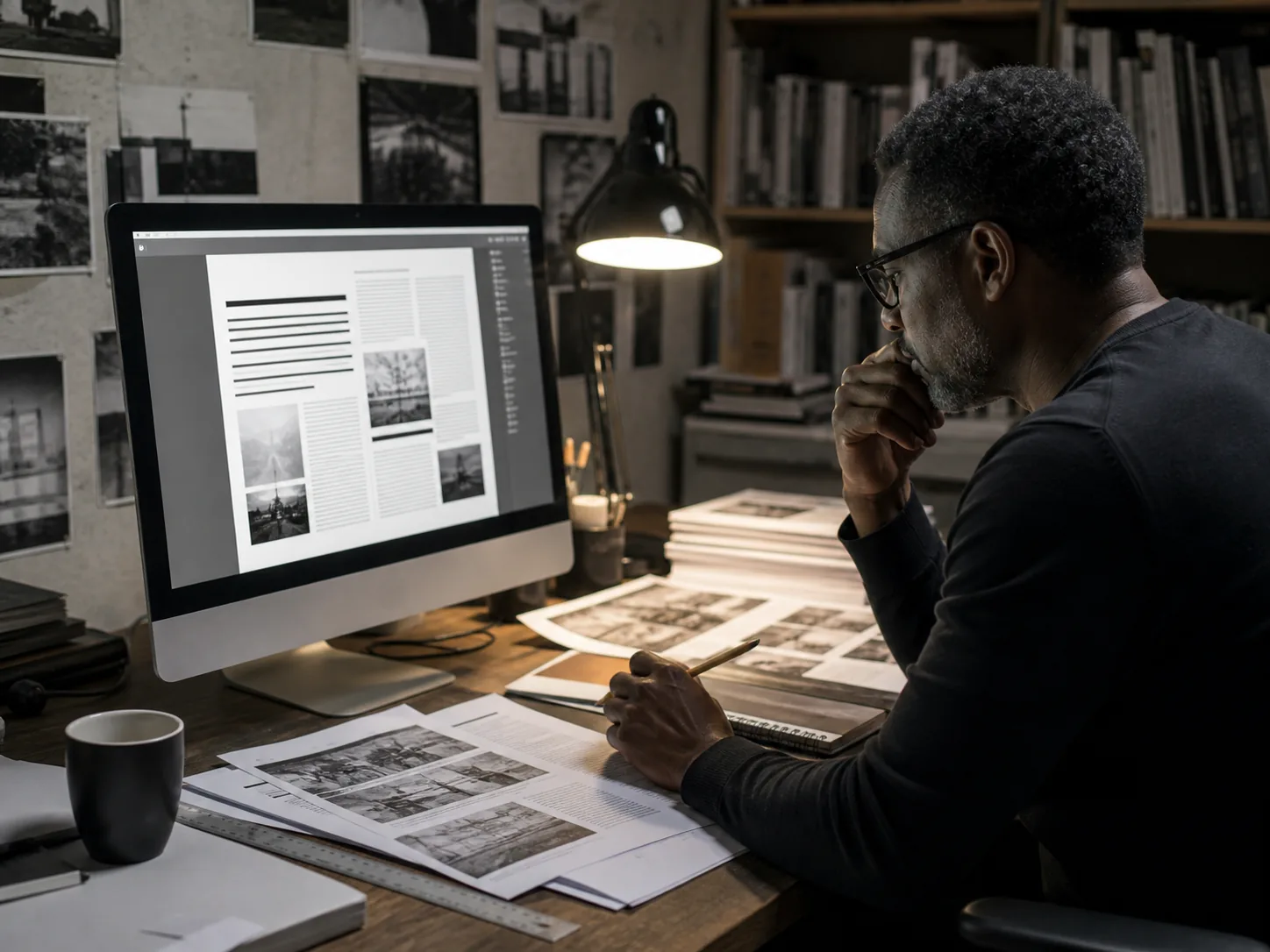
Fashion is visual, but an image is not automatically evidence. Captions should explain what the reader is meant to notice. Alt text describes the image for people who cannot see it; it is not a container for a repeated keyword list. Width and height attributes reduce layout shift, while WebP delivery keeps files practical.
We use owned, licensed, public-domain or appropriately permitted visuals. Original AI-assisted illustrations may be used when they are clearly presented as illustrative rather than documentary evidence. They must not imitate a living artist's signature style, manufacture a celebrity endorsement or pretend to be an archival photograph of a real event.
When historical identity is central, reliable real documentation is preferable to reconstruction. Rights status, caption accuracy and the risk of misleading a reader all belong in the publishing decision.
Maintenance
Send the URL, disputed statement and supporting information to hello@baamboys.com. We assess the evidence, correct material errors and update the visible modified date when the change is substantial.
Evergreen guides should be revisited for broken links, outdated practical advice, image rights, unclear attribution and opportunities to replace weak secondary references with stronger evidence.
Useful disagreement is welcome. A local or personal memory can identify a blind spot, although memories are treated as leads to investigate rather than automatic proof of a broad historical claim.
If affiliate or advertising relationships are added, disclosures and the privacy policy must match the actual systems running on the site.
BAAM Boys Editorial is responsible for the site's current published material. General questions, correction requests, image-rights concerns and partnership inquiries can be sent through the contact route or directly to hello@baamboys.com.
Our complete rules for AI-assisted work, corrections, image use and commercial independence appear in the Editorial Policy. The separate Sources Policy explains evidence and attribution. Data handling appears in the Privacy Policy, while acceptable use and content rights appear in the Terms of Use. These documents describe real practice and should be amended when operations change.
We would rather publish a transparent limitation than decorate the site with unverifiable credentials. Authority grows from focused work, accurate attribution, useful revision and a body of articles that withstands comparison.
About questions
BAAM Boys covers Black fashion, 1980s through Y2K men's style, hip-hop fashion, retro sneakers, outfit ideas, accessories and grooming. The emphasis is visual cultural history combined with practical wardrobe guidance.
Current articles use the shared BAAM Boys Editorial byline. We do not publish invented individual biographies. When verified named contributor profiles become available, their experience and article record should be shown clearly.
Editors compare period visual material, reputable archives, primary interviews, product records and established reporting. The level of certainty should be reflected in the language, especially when attribution is disputed or incomplete.
No. They are original illustrative editorial scenes created to explain the research and publishing workflow. Captions and this disclosure prevent them from being mistaken for documentary staff photographs.
Email hello@baamboys.com with the relevant URL, exact concern and any supporting documentation. For image rights, identify the visual and explain your relationship to it.