More than a visual category
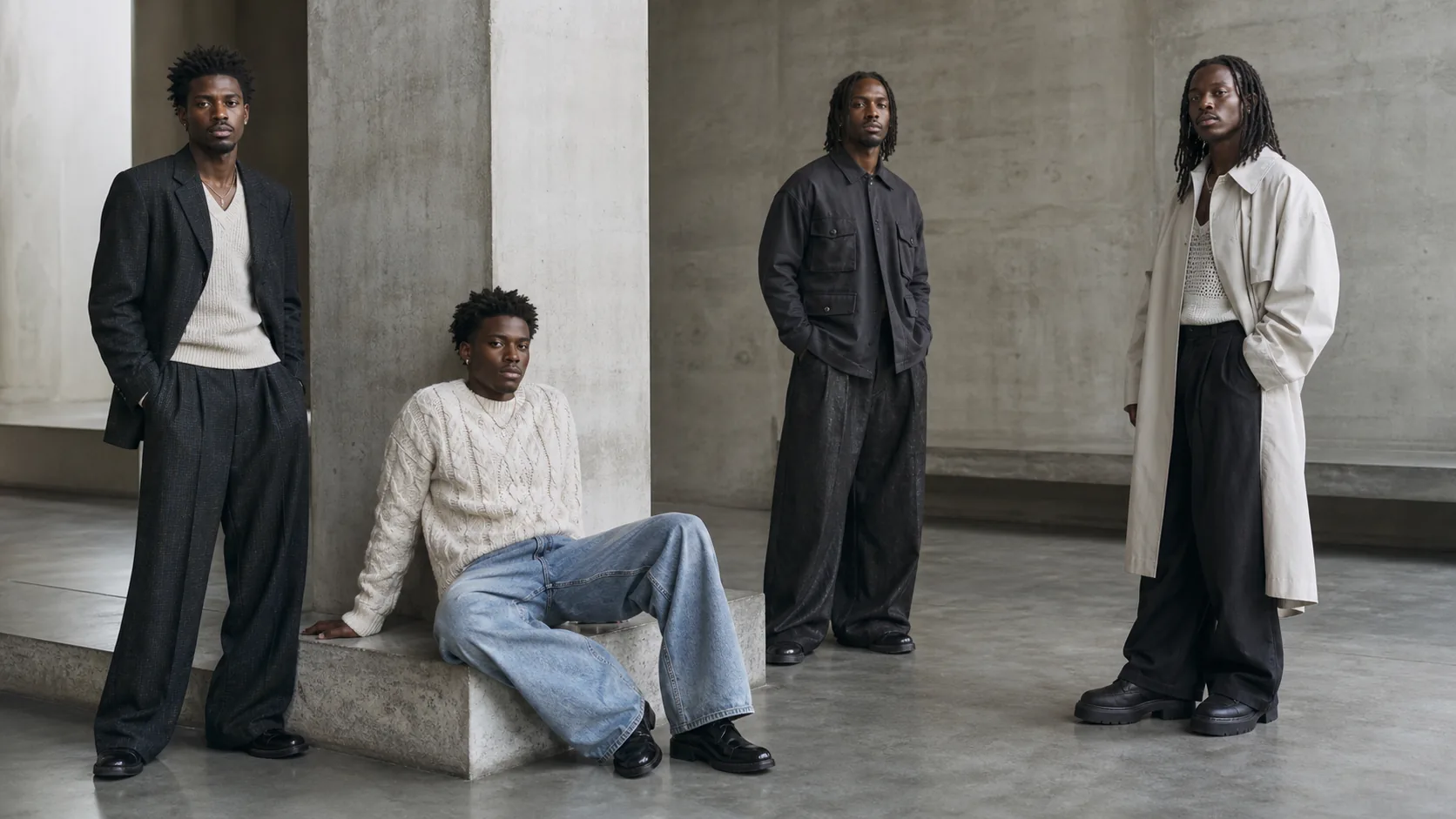
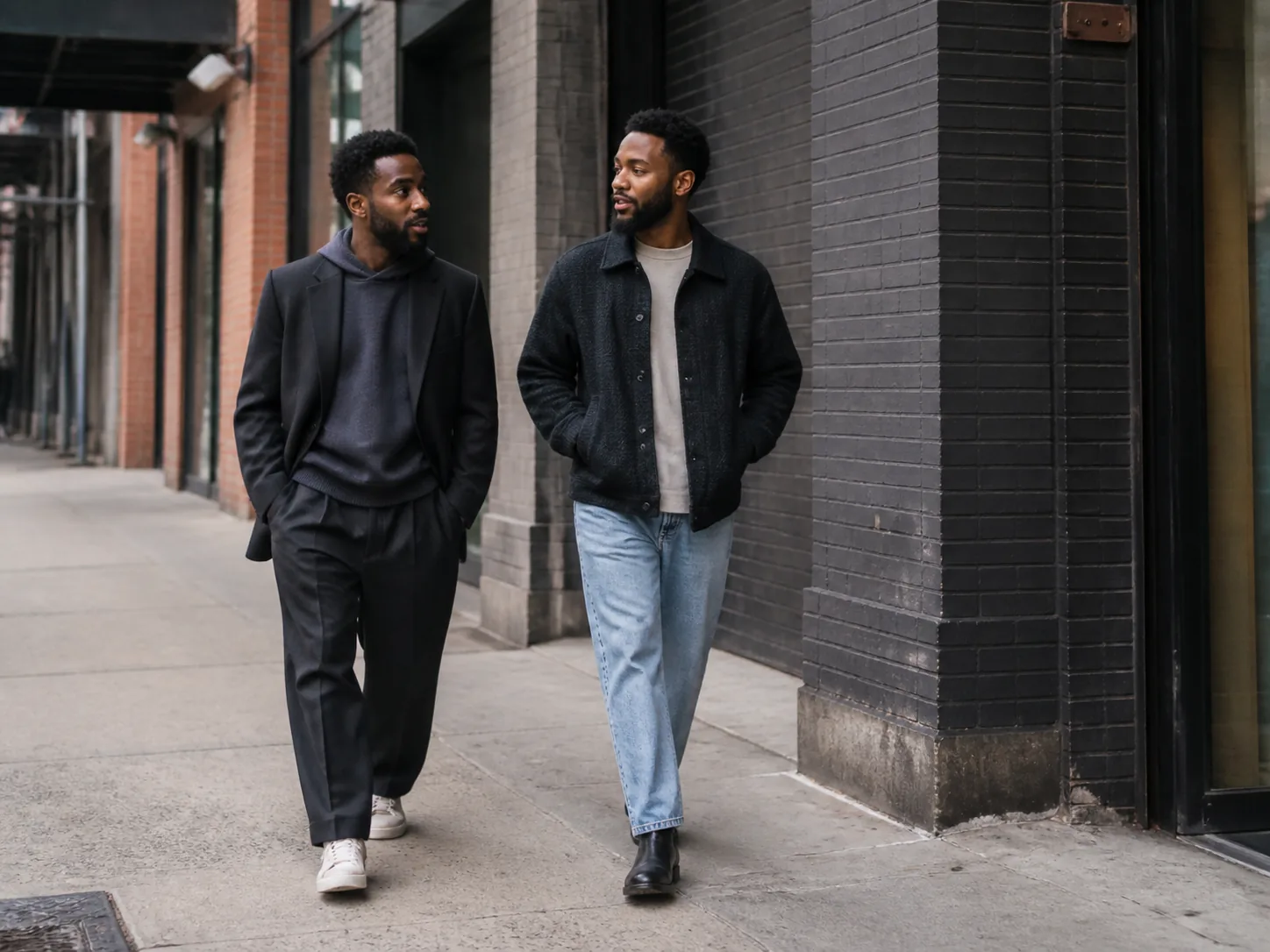
It can be tempting to define Black fashion through a quick list: bright color, streetwear, gold jewelry, athletic shoes. That list is too small. Black designers have worked in couture, workwear, formal tailoring, sportswear, knitwear and experimental dress. Black communities have also transformed ordinary clothing through fit, combination, grooming and the social settings in which it is worn. The meaning comes from people and context, not from a fixed collection of objects.
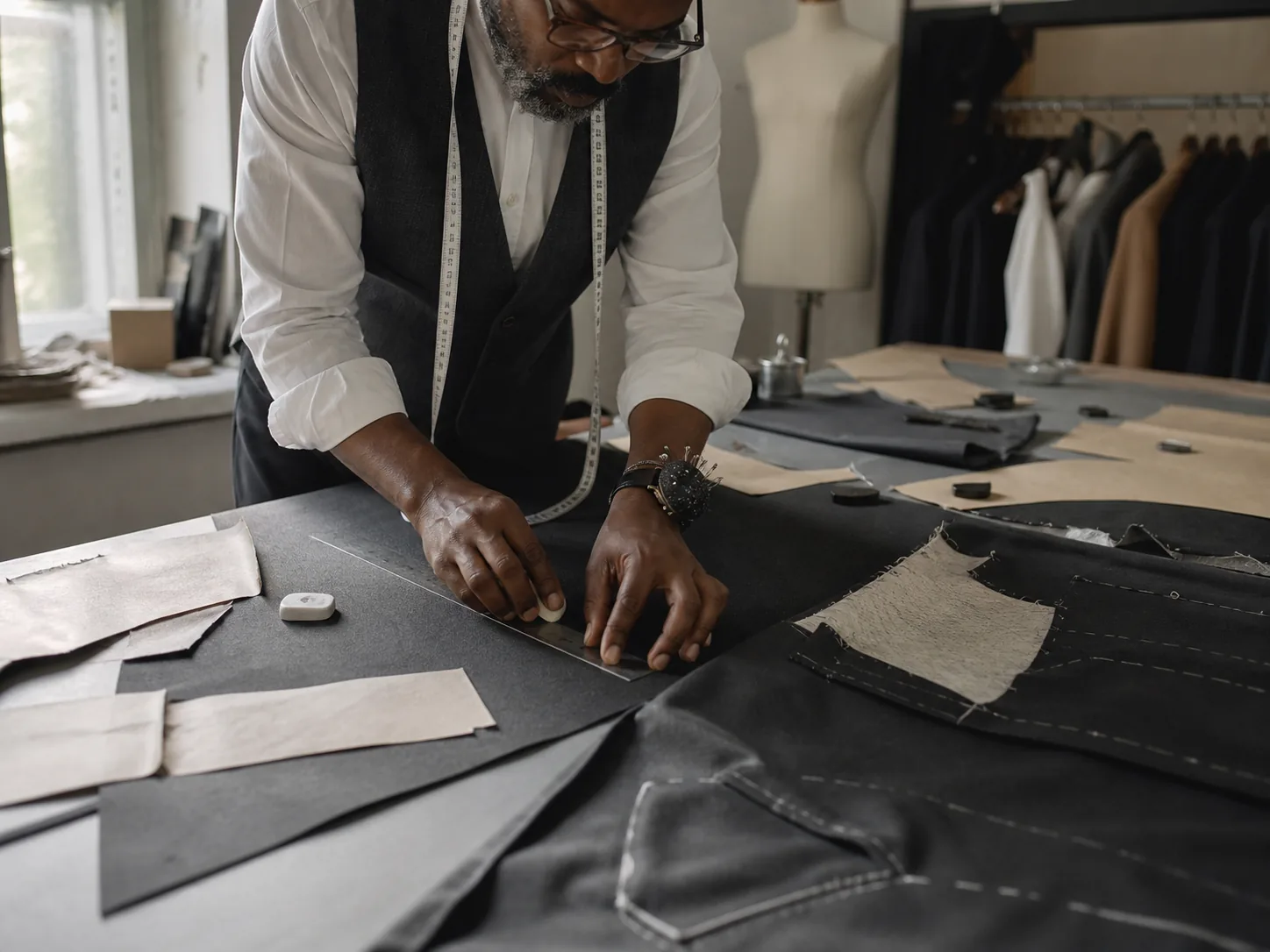
The phrase is still useful when it directs attention toward creative labor that fashion history has often minimized. A complete account asks who designed a garment, who styled and photographed it, who wore it first and who profited when the idea entered the mainstream. It also leaves space for disagreement. Black life is not culturally uniform, and style in Lagos, London, Kingston, Atlanta and Paris cannot be flattened into one narrative.