The BAAM Boys Journal

Black Style, Filed With Context

Research-led fashion history and practical outfit guidance, organized through five focused categories. Every article has one primary home so readers, search engines and WordPress understand how the archive fits together.

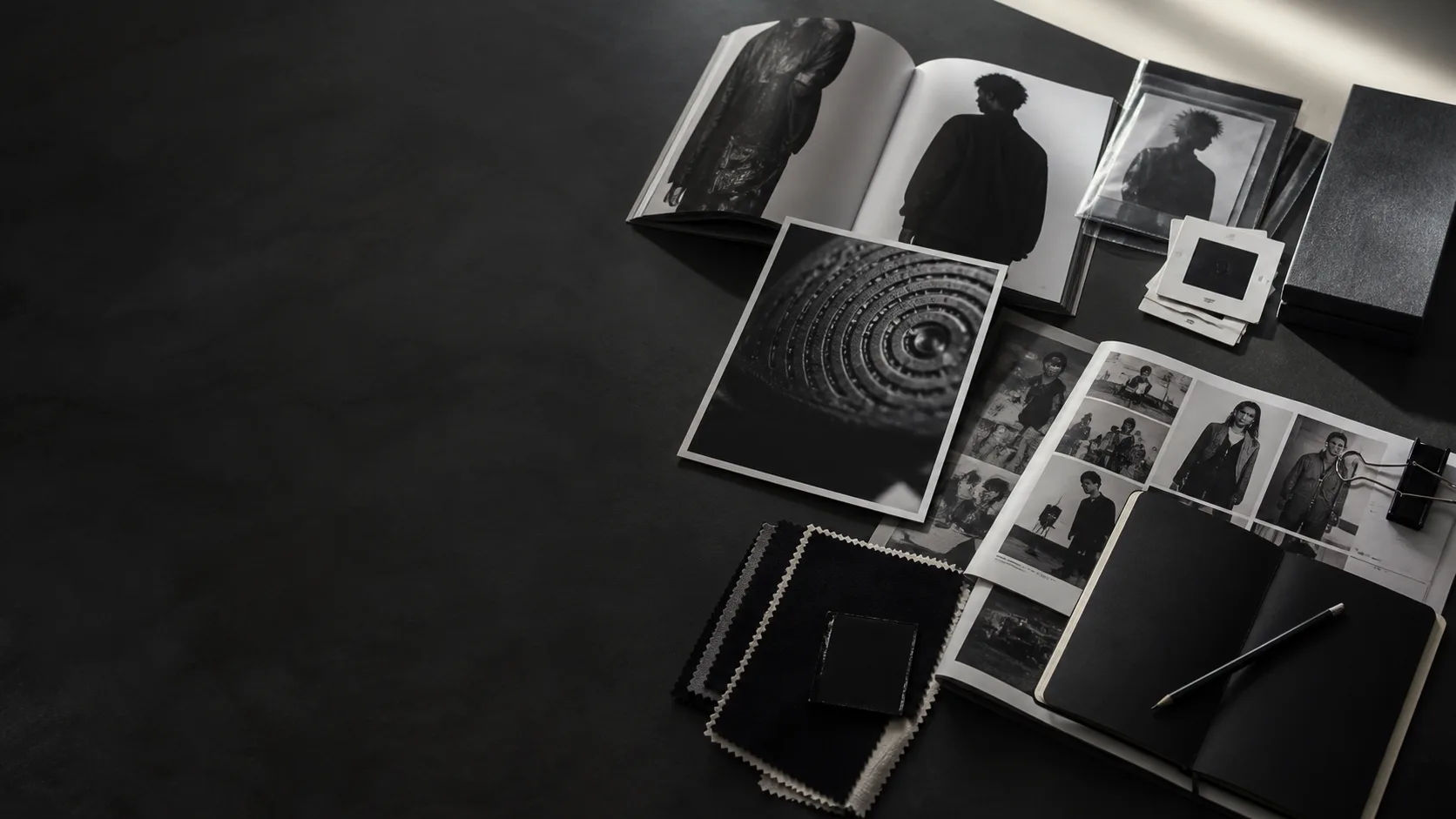
Illustrative charcoal editorial archive with monochrome Black fashion magazine proofs, fabric swatches, notebook and research photographs
Original editorial illustration, not a documentary archive: the journal connects visual references with sourced context and practical analysis.

Five-category system

One archive, five clear doors

The Journal is the broad chronological index. Its five category doors are the same five Hub URLs used in the main navigation. That choice prevents a duplicate WordPress category archive from competing with a carefully written Hub for the same search intent.

Each post receives one primary category. A story can link naturally to related Hubs, but it should not be filed everywhere merely because several subjects appear. Tags describe narrower recurring entities or themes; they do not replace editorial categories.

Browse by category

The complete editorial map

01

Fashion

Black designers, dress traditions, creative work, tailoring, street style and the social meaning of clothing. Use this category when fashion culture—not a single decade, music scene, shoe or outfit problem—is the dominant subject.

Planned coverage

Designer profiles, visual histories, Black dandyism, fashion institutions, tailoring, street photography and cultural analysis.

03

Hip-Hop Style

Music-driven wardrobes, regional scenes, performer imagery, streetwear, party outfits and the collaborative work of stylists. Use it when hip-hop is essential to the question rather than incidental context.

Current guide

90s Hip-Hop Outfit Ideas for Men.

04

Sneakers

Basketball footwear, retro silhouettes, construction, cultural association, trouser-to-shoe proportion and the material risks of vintage pairs. Shoes must be the primary reader need.

Planned coverage

90s basketball shoes, iconic hip-hop sneakers, retro buying guidance, outsole history and rapper footwear research.

05

Men's Style

Wearable outfits, fit, grooming, accessories, seasonal dressing and wardrobe planning. The category translates visual references into useful decisions without treating identity as costume.

Planned coverage

Summer outfit ideas, hairstyles, accessories, capsule wardrobes, occasion dressing, denim fit and layering.
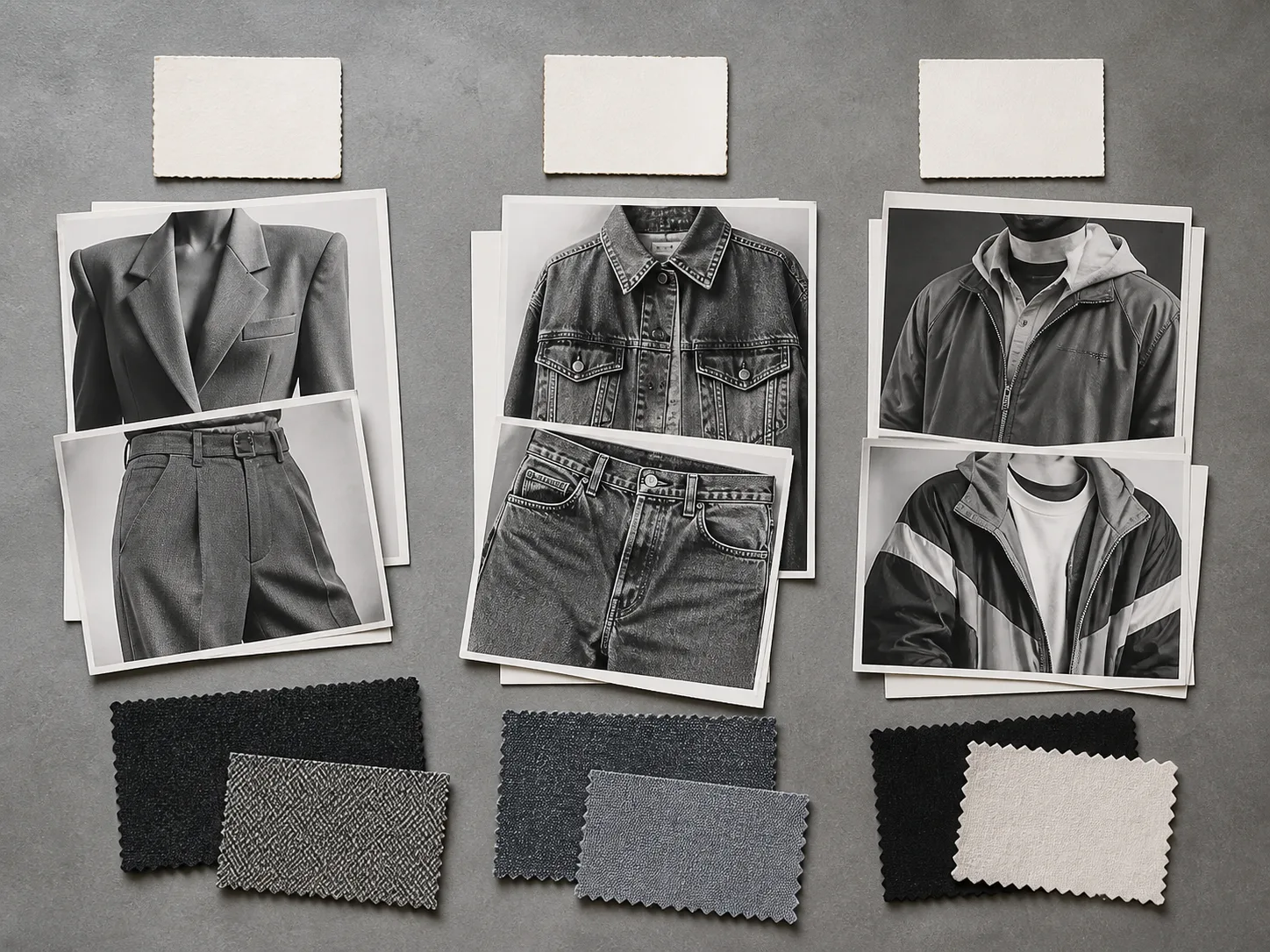
Illustrative overhead archive comparing structured 1980s tailoring, relaxed 1990s denim and early-2000s layered sportswear with fabric swatches
Original comparative illustration: era labels are useful only when clothing shape, material, setting and chronology support them.

How periods are filed

Decade is a category lens, not a shortcut

The 80s & 90s archive also holds the early-2000s transition because the editorial question is chronological: how one silhouette develops into another. Individual posts can use a decade tag such as 1980s, 1990s or 2000s, but the stable category URL remains /retro-style/.

A period article should distinguish early, middle and late phases where the evidence warrants it. It should also separate performance styling from everyday dress, and acknowledge regional or social differences rather than making one celebrity image represent a generation.

Comparisons belong in the same category when time is the organizing axis. “80s vs 90s Hip-Hop Fashion,” for example, would use 80s & 90s as its primary category and link into Hip-Hop Style for musical context.

WordPress taxonomy

Categories stay broad; tags stay controlled

A useful archive needs enough structure to reveal relationships without creating hundreds of nearly empty URLs. BAAM Boys uses five categories and a limited tag vocabulary. New tags should support several substantial posts, not describe a detail that appears once.

Primary category Category slug Recommended recurring tags
Fashion fashion black-designers, tailoring, street-style, fashion-history
80s & 90s retro-style 1980s, 1990s, 2000s, y2k, decade-comparison
Hip-Hop Style hip-hop-style rapper-style, regional-style, streetwear, outfit-ideas, accessories
Sneakers sneakers basketball-shoes, retro-sneakers, boots, footwear-care
Men's Style mens-style summer-style, hairstyles, grooming, fit, capsule-wardrobe

Reader intent first

History explains. Practical guides help someone dress.

Two articles may share a garment but answer different needs. A history of basketball shoes in 1990s hip-hop belongs under Sneakers when footwear development drives the reporting. A party outfit using those shoes belongs under Hip-Hop Style. A guide to balancing any wide trouser with a substantial shoe belongs under Men's Style.

The primary category follows the main promise in the headline and introduction. Internal links then carry readers to relevant cultural and historical background. This keeps articles specific while preserving the larger knowledge graph.

“What happened?”

Use Fashion or 80s & 90s when culture or chronology leads.

“How did music shape it?”

Use Hip-Hop Style when the scene is indispensable.

“Which shoe and why?”

Use Sneakers when footwear evidence leads.

“What should I wear?”

Use Men's Style for broad practical dressing decisions.

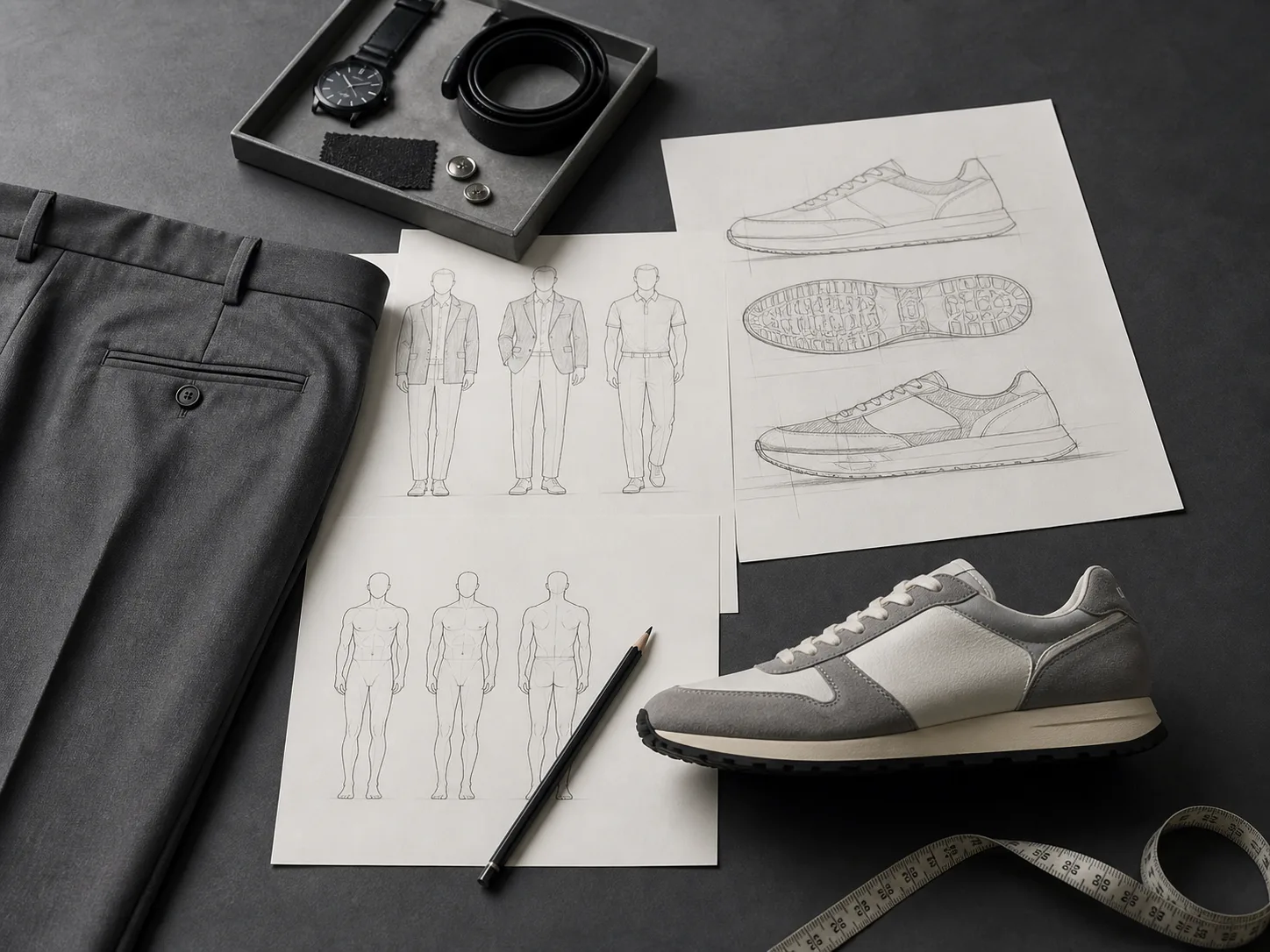
Illustrative menswear planning desk with trouser fabric, anonymous silhouette sketches, unbranded retro sneaker, accessories and measuring tape
Original editorial illustration: a practical guide connects body proportion, garment shape, footwear and setting rather than listing isolated trends.

What readers can expect

Every article earns its place in the archive

Direct opening

The introduction answers the main question before the deeper history, comparison or styling analysis begins.

Visible structure

Tables, lists and labeled sections are used when they genuinely clarify eras, pieces or outfit formulas.

Source discipline

Historical claims require traceable support. Illustration, interpretation and documented evidence are kept distinct.

Useful images

Alt text describes visible content. Captions explain why an image matters and disclose illustrative status where needed.

Honest identity

The publication does not invent author biographies, personal tests or archival access. Shared authorship remains transparent.

Living updates

Material corrections and substantial revisions receive an updated date or note according to the Editorial Policy.

Archive questions

Journal FAQ

What are the BAAM Boys blog categories?

The five categories are Fashion, 80s & 90s, Hip-Hop Style, Sneakers and Men's Style. Their Hub URLs also serve as the main category destinations.

Why is 2000s fashion inside the 80s & 90s category?

The Hub covers retro decade style and the Y2K transition. Keeping 1980s, 1990s and early-2000s research together makes chronological comparison clearer without creating another broad category with overlapping intent.

Can an article appear in more than one category?

An article may relate to several Hubs through internal links, but it should have one primary WordPress category based on its central reader promise. Controlled tags can describe secondary themes.

How are tags different from categories?

Categories are the five permanent editorial departments. Tags identify recurring narrower subjects—such as 1990s, tailoring or basketball shoes—and should be created only when they can connect several useful articles.

Where should a new reader start?

Start with 90s Black Fashion for the strongest historical overview, then visit 90s Hip-Hop Outfit Ideas for practical application. The five category Hubs provide wider routes.

From the 1980s desk

Structure, sportswear and everyday dressing

The 80s Black Men's Fashion guide examines men's tailoring, athletic sets, leather, denim, grooming and practical modern combinations.

1980s culture study

Hip-hop style before the 1990s shift

Read 80s Hip-Hop Fashion for a focused look at tracksuits, leather, hats, jewelry, sneakers, stage image and respectful modern outfit construction.

Performer style study

Clothing made sound visible

The new 80s Rapper Fashion analysis breaks memorable artist wardrobes into persona, group uniform, performance function and camera-ready detail.

Everyday style

Street clothing built from real routines

The 80s Streetwear guide maps garments back to sport, school, weather, commuting and nightlife, then turns the research into wearable combinations.

Grooming archive

1980s hair beyond one iconic shape

The 80s Black Hairstyles guide compares high-tops, short naturals, waves and curls while keeping texture, maintenance and health in view.

2000s / Y2K cluster

Two ways into the millennium transition

2000s cluster completed

Continue from cultural image to daily wardrobe

Men's Style desk

Everyday outfits, accessories and grooming