Topic editor
Defines the reader need, prevents overlap with existing coverage and keeps the article inside the publication's Black fashion, hip-hop style, sneaker and menswear remit.
Authors & accountability
BAAM Boys currently publishes researched fashion and culture guides under one collective byline. That label identifies the accountable publishing desk while avoiding invented biographies, borrowed credentials or implied access that the publication cannot verify.
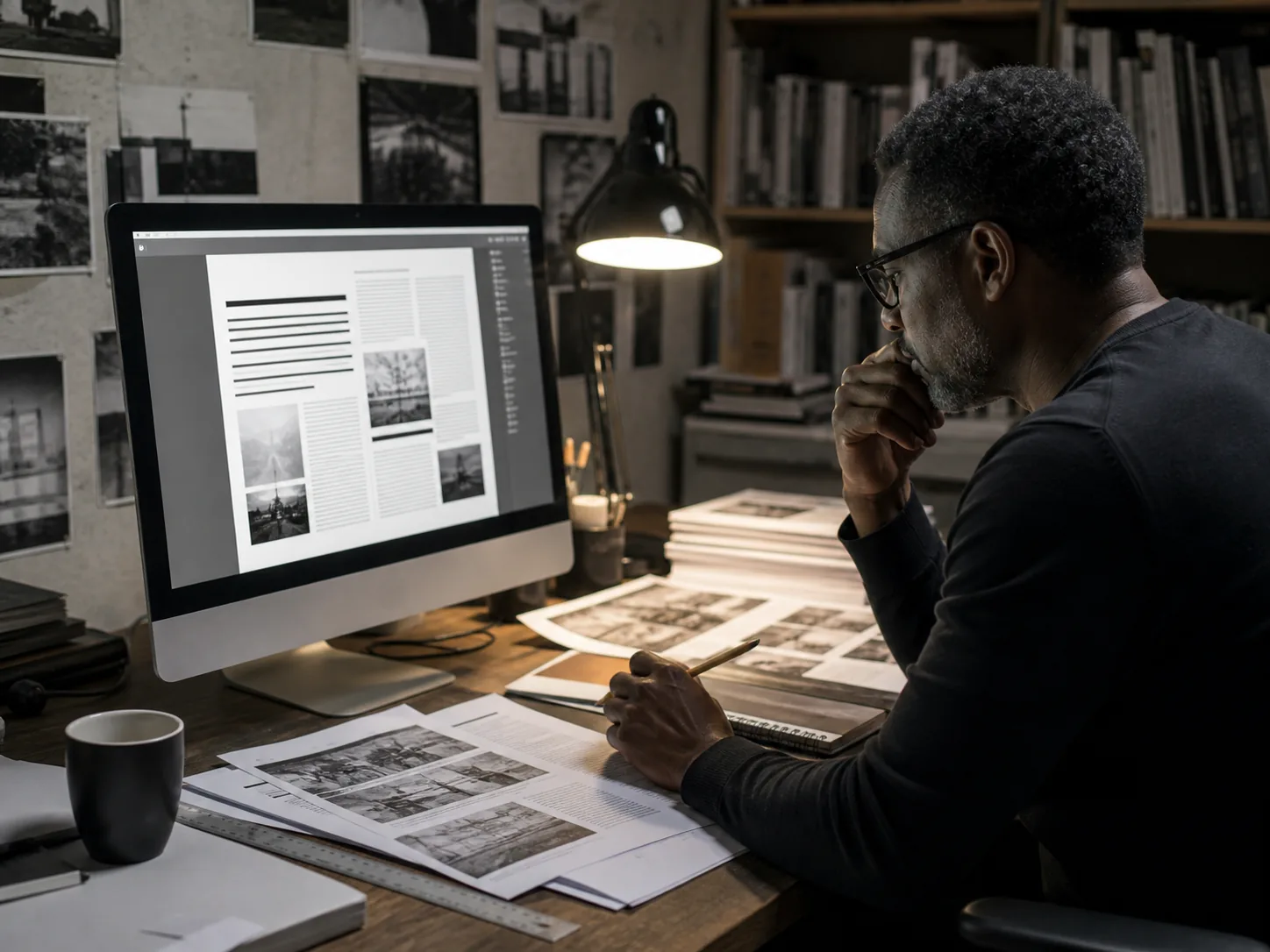
A collective byline is useful only when its responsibility is clear. “BAAM Boys Editorial” means that the publication selects the question, maps the claims, compares available evidence, prepares or commissions the illustrations, edits the prose and responds to credible correction requests. It does not mean that every observation comes from first-hand ownership, attendance or personal acquaintance.
Most current guides combine visual analysis, historical research and practical styling judgment. We distinguish those activities. A description of silhouette can be based on observable garment form. A release date, designer credit or quotation requires documentary support. Advice about making a retro proportion wearable today is editorial interpretation and should be presented as such, not disguised as a historical fact.
The shared desk is intentionally modest. BAAM Boys will not assign a fashionable name to a stock portrait, construct an impressive career history or imply a demographic identity merely to strengthen a search profile. A verifiable organization is more trustworthy than a fabricated expert. Readers can judge the work through its sourcing, limitations, revisions and consistent subject focus.
Editorial roles
Defines the reader need, prevents overlap with existing coverage and keeps the article inside the publication's Black fashion, hip-hop style, sneaker and menswear remit.
Separates factual claims from interpretation, favors primary or institutional evidence and records uncertainty where sources conflict or attribution remains incomplete.
Checks that an image illustrates the relevant shape or comparison, that captions explain its purpose and that alt text describes rather than stuffs keywords.
Tests clarity, internal links, metadata, disclosure, mobile hierarchy and consistency between the visible article and its structured data before publication.
Experience and limits
The editorial desk approaches clothes through form, cultural context and wardrobe use. Guides compare proportions, materials, styling relationships and historical visual evidence. That method is well suited to questions such as how baggy denim changes a sneaker silhouette, how sportswear traveled between court and music imagery or how an accessory communicates scale.
It does not make the desk a medical professional, product authenticator, conservator or eyewitness to every era discussed. Grooming coverage cannot diagnose a skin or scalp condition. Vintage sneaker coverage cannot certify an expensive pair or declare aged materials safe from photographs. Historical discussion does not turn an illustrative image into documentary evidence.
Where practical experience matters, the article should identify the basis of the judgment. Where direct testing has not occurred, we avoid language such as “we wore,” “we tested” or “our collection.” Honest boundaries protect readers and leave room for qualified specialists.
Review assignments
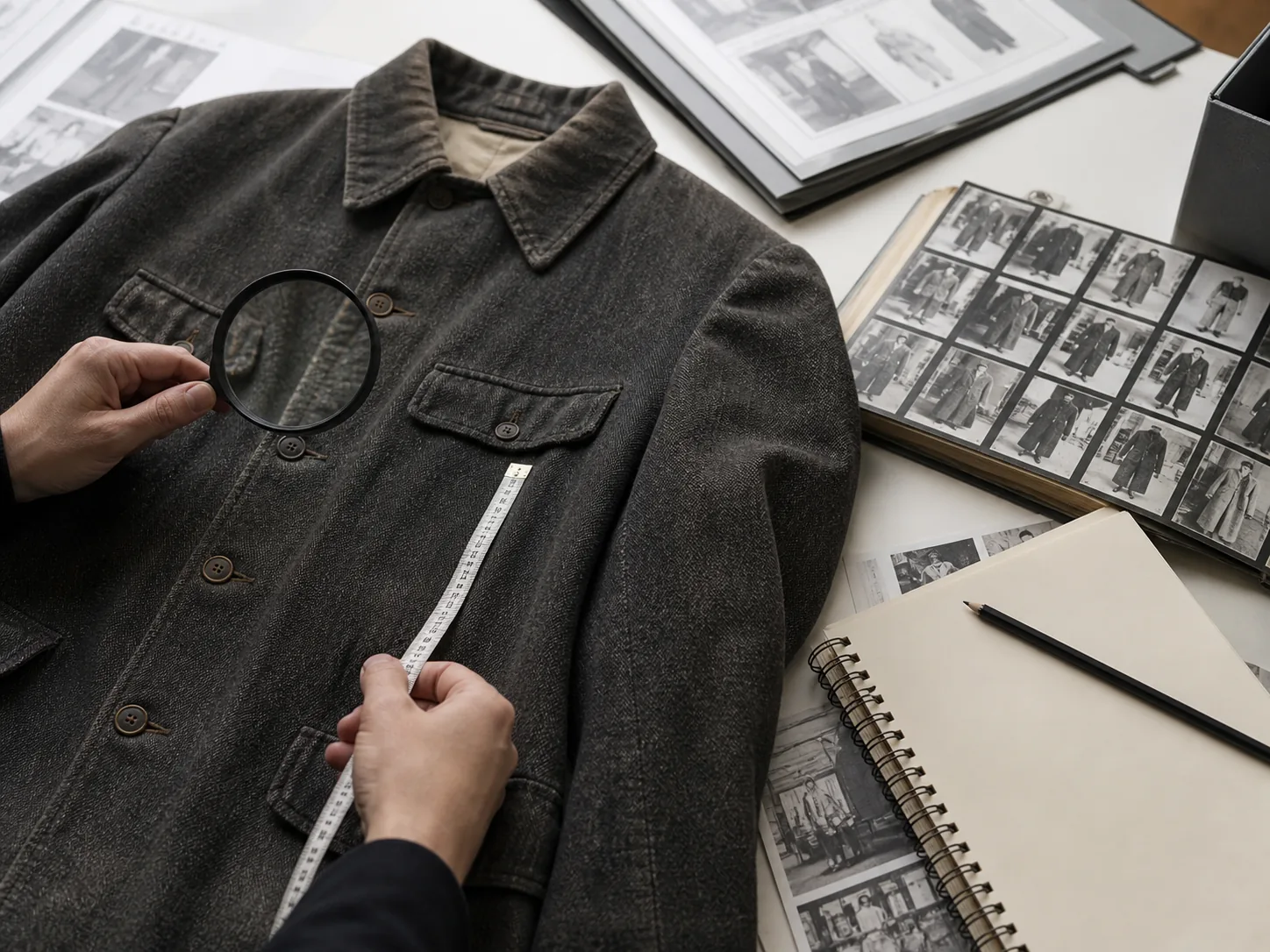
A general copy review is not a substitute for subject review. An article centered on a historical date or design credit needs someone capable of checking provenance and primary records. A vintage footwear guide needs careful material and safety boundaries. A grooming guide requires language that never converts wardrobe commentary into a diagnosis. BAAM Boys identifies the highest-risk claims before assigning review effort.
Review does not mean adding a ceremonial name after the writing is finished. The reviewer must be able to challenge the evidence, qualification and conclusion. When a verified specialist materially reviews future work, the article can identify that contribution accurately, link to a profile and distinguish review from authorship. We will not attach an impressive credential to work the credentialed person did not actually assess.
Routine editing covers structure, readability, internal relationships, captions, accessibility and metadata. Substantive review covers the claim itself. Both matter, but readers should not be invited to confuse them. The visible byline and update record must reflect the real workflow.
Readers also deserve to know when review has not occurred. Until a qualified named reviewer is genuinely involved, the shared desk remains the only credited authority. We do not use an automated grammar pass, a source list or an informal conversation as grounds for a “reviewed by” label. If a later specialist review changes a conclusion, the revision should identify what materially changed and update the article record without erasing its original publication date.
Corrections
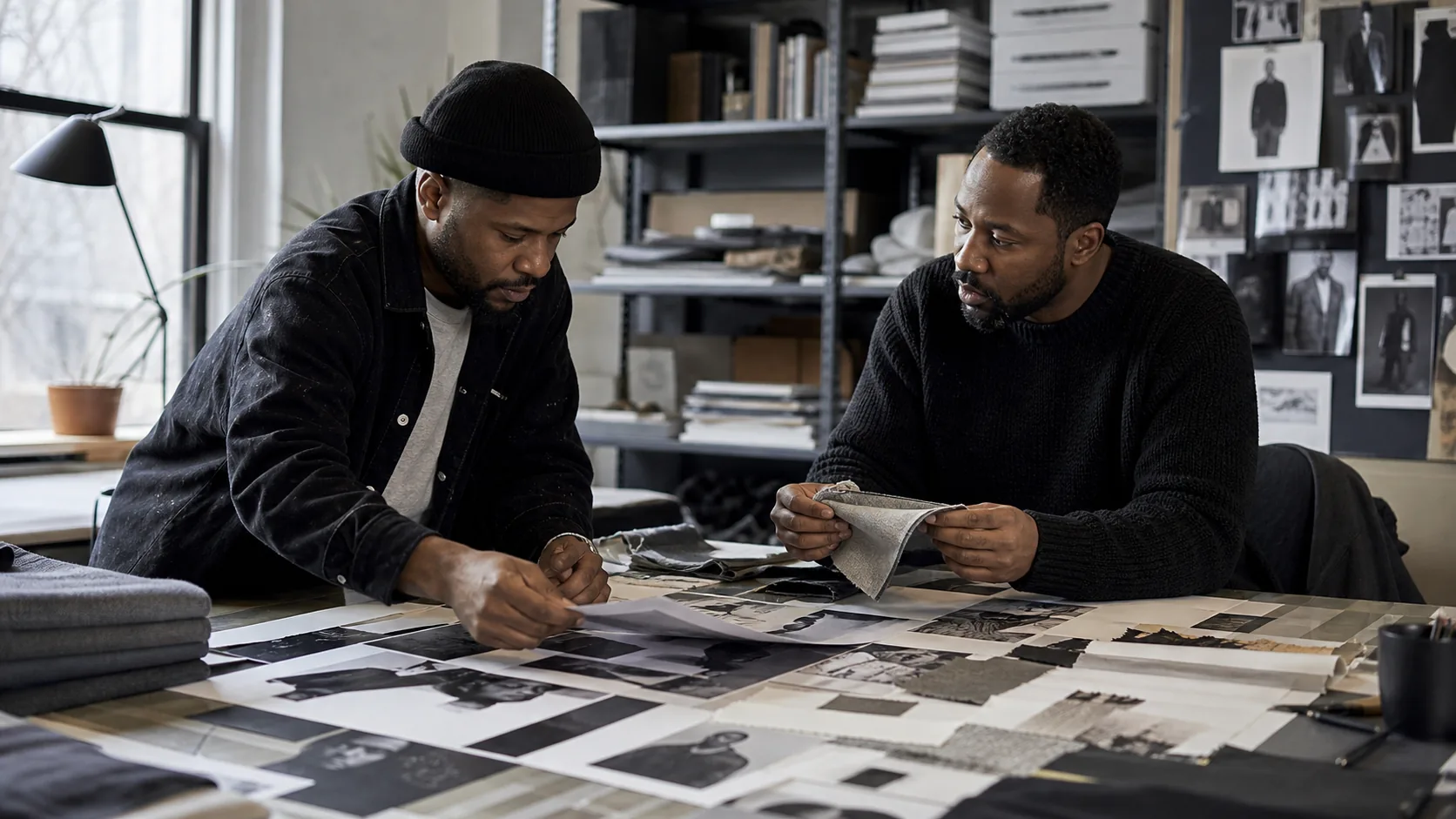
Send a correction request with the article URL, exact disputed wording and supporting documentation to hello@baamboys.com. The desk reviews the claim against the original evidence and any stronger material supplied. Clear factual errors are corrected; substantial changes receive an updated date.
A difference in taste is not automatically an error. Neither is a personal memory proof of a universal historical claim. Useful memories can reveal a missing region, scene or interpretation and become a research lead. The aim is to preserve both specificity and fairness.
Image-rights concerns receive the same direct route. Identify the image, the relevant URL and your relationship to the work. We can investigate licensing, attribution, replacement or removal without requiring a public dispute.
Author questions
The current publication is operated as a shared editorial desk. The collective name identifies the party responsible for research, editing, imagery and corrections without inventing individual staff identities.
No. It is the accountable publishing organization and collective byline. Organization schema is used instead of falsely describing the desk as an individual Person.
Future contributors may be considered when their identity, relevant experience, original work and conflicts can be verified. Publication is not guaranteed, and undisclosed promotional submissions are not accepted as independent editorial work.
Material brand, agency, product or financial relationships must be disclosed to editors and, when relevant, to readers. Commercial involvement cannot purchase a favorable conclusion.
Email hello@baamboys.com with the URL, exact statement and strongest available evidence. The shared desk reviews and records material corrections.